Designing the future of connected football fandom with CityzenBand.
I led a multidisciplinary team to victory at the Manchester City's second annual hackathon by designing CityzenBand: a connected wearable experience built to bring football fans closer to their club and to one another.
Over the course of 48 hours, we designed the CityzenBand: a connected wearable concept designed to strengthen the relationship between football fans, their club, and one another, both inside and outside the stadium.
But the real story of this project began a year earlier.
Learning from failure
I had entered the first Manchester City Hackathon in 2016 alongside a team of developers and tactical analysts.
Like many first-time hackathon teams, we spent most of the weekend trying to figure out what our idea actually was.
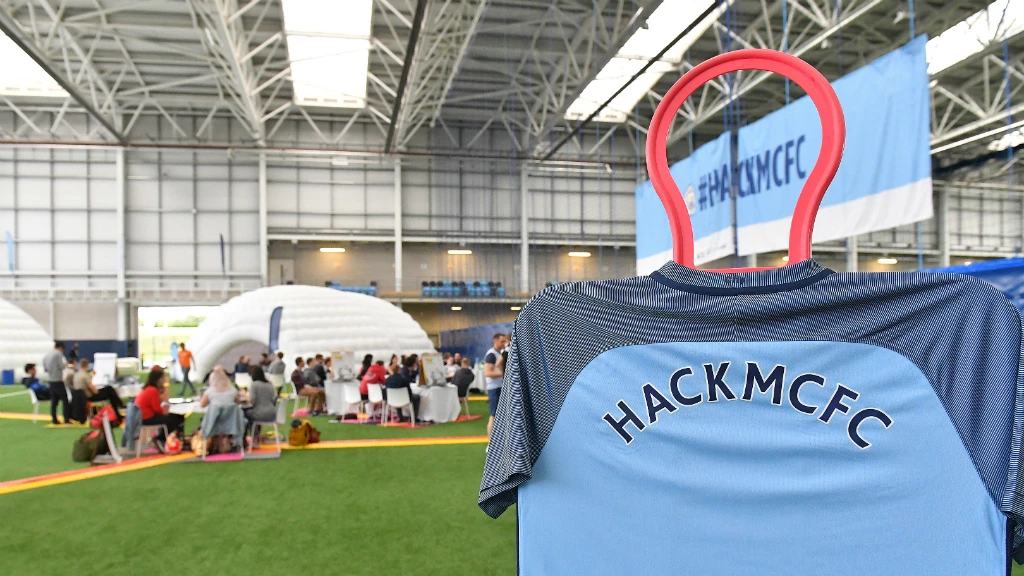
By the end of the event, exhausted and short on time, I was hurriedly assembling presentation slides minutes before stepping on stage.
We left empty handed.
But the experience taught me something important: hackathons aren’t just won through good ideas. They’re won through clarity, alignment, and storytelling.
So when I returned in 2017, I arrived with a completely different mindset.
I was determined to avoid the mistakes we’d made the year before by focusing on three things from the outset:
- building a balanced multidisciplinary team
- creating shared ownership of the idea
- treating the final presentation as the product itself
That shift in approach changed everything.
Building the right team
The event began in the Chairman’s Lounge of the Etihad Stadium, where City's digital team outlined the brief:
“How might we use digital technology to help grow and further reinforce a sense of community and belonging that transcends location and provides a meaningful shared football fan experience for everyone?”
After the briefing, participants were encouraged to form teams.
Rather than immediately searching for developers, I focused on building a diverse mix of disciplines and perspectives.
The final team included:
Sarah – a growth hacker
Mike – an Android developer
Dawn – a marketing managerGeorge – a social innovation consultant
Along with myself, leading product and design.
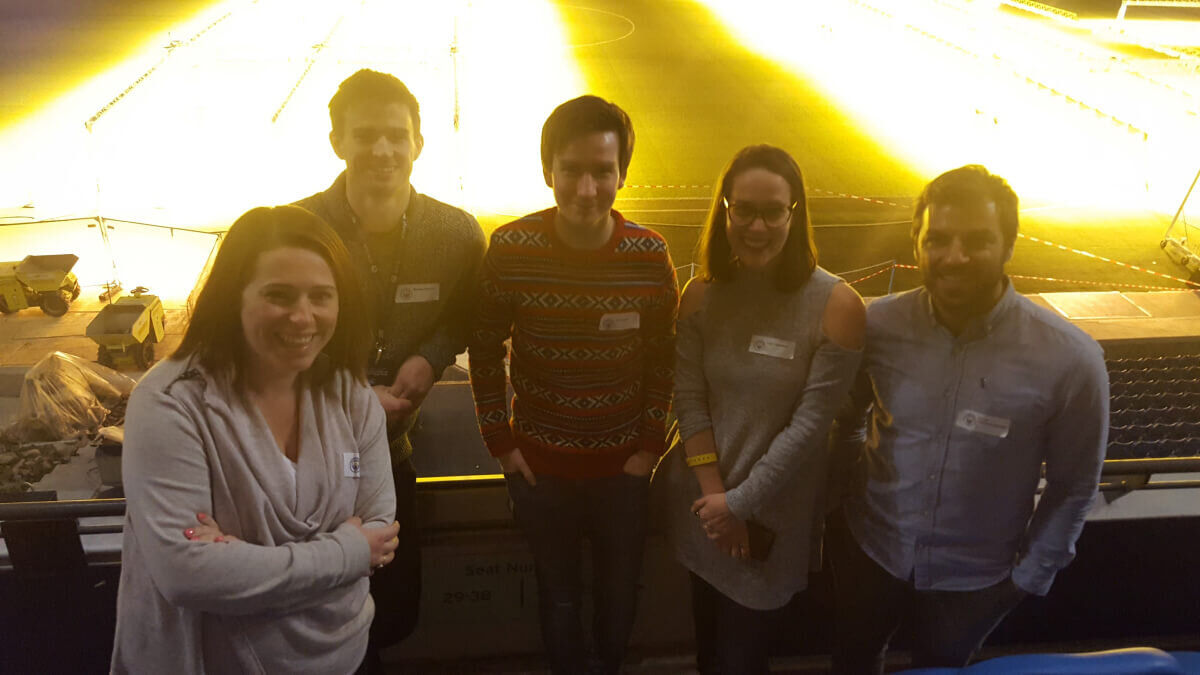
Many of the team were attending their first hackathon, so I shared my experiences from the previous year — particularly how easily teams could become fragmented without alignment around a single clear idea.
Instead of rushing into building, we spent the first evening talking, debating, and exploring possibilities together.
That early investment in alignment proved invaluable.
Finding the insight
Manchester City had provided fan engagement research to help teams get started. One statistic immediately stood out:
Only 0.31% of the club’s 31 million global fans were officially registered “Cityzens”.
For us, that revealed a huge disconnect between the club and its wider fanbase.
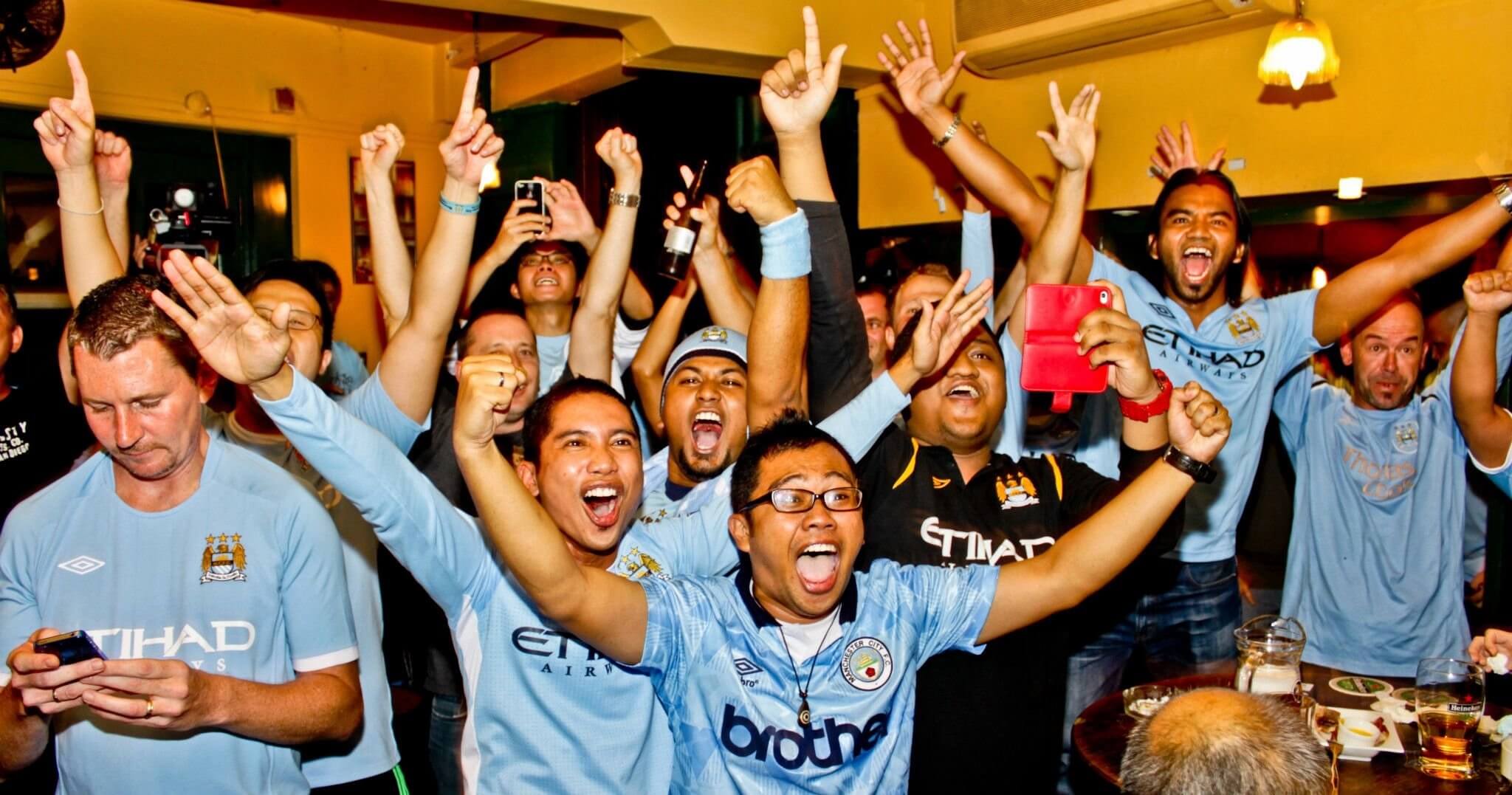
Fans all over the world supported Manchester City emotionally, but very few felt genuinely connected to the club itself or to one another.
That insight became the foundation of our idea.
We imagined a wearable smart band that could act both as a practical stadium companion and as a symbolic connection between fans worldwide.
We called it the CityzenBand.
Inside the stadium, it could function as a ticket, payment device, and live matchday companion.
Outside the stadium, it could become a shared digital identity for supporters everywhere: connecting fans through live moments, celebrations, and club experiences regardless of geography.
The concept transformed fandom from something passive into something participatory.
Structuring the work
The following morning, with the concept clearly defined, we divided responsibilities across the team.
George focused on validating our assumptions, creating a survey which I shared with the r/MCFC Reddit community to gather direct fan insight.
Mike began mapping the companion app and building an Android prototype.
Dawn explored the wider ecosystem of fan touchpoints, documenting how the band could integrate into both stadium and non-stadium experiences.
Meanwhile, Sarah and I focused on what I believed would ultimately decide the competition: the presentation.

Because we’d aligned early around the importance of storytelling, the team understood that every output (survey results, app screens, touchpoint maps, concepts) needed to feed into a coherent narrative.
Throughout the weekend, as new work emerged, it was continuously folded into the evolving presentation.
Rather than treating the deck as something assembled at the end, we treated it as the backbone of the project itself.
Designing for the judges
As the concept matured, Sarah and I took the opportunity to validate the idea directly with one of the judges: Manchester City’s Head of Digital.
Rather than pitching the concept outright, we used the conversation to pressure-test the weaknesses in our thinking.
What questions would stakeholders ask?
Where might the concept fail?
What concerns would senior leadership raise?
The conversation helped us sharpen both the idea and the way we communicated it.
It also reinforced an important lesson: great presentations don’t just showcase ideas – they proactively answer objections before they arise.
Taking to the stage
The hackathon concluded on Sunday afternoon with presentations from each team. We had just four minutes to deliver our idea to a packed press room at the Etihad Campus.
With such limited time, I made another deliberate decision based on the failures of the previous year: only one person would present.
In 2016, I’d watched multiple teams lose momentum through awkward handovers and fragmented delivery. I wanted our presentation to feel confident, seamless, and tightly paced.
I volunteered to lead it.
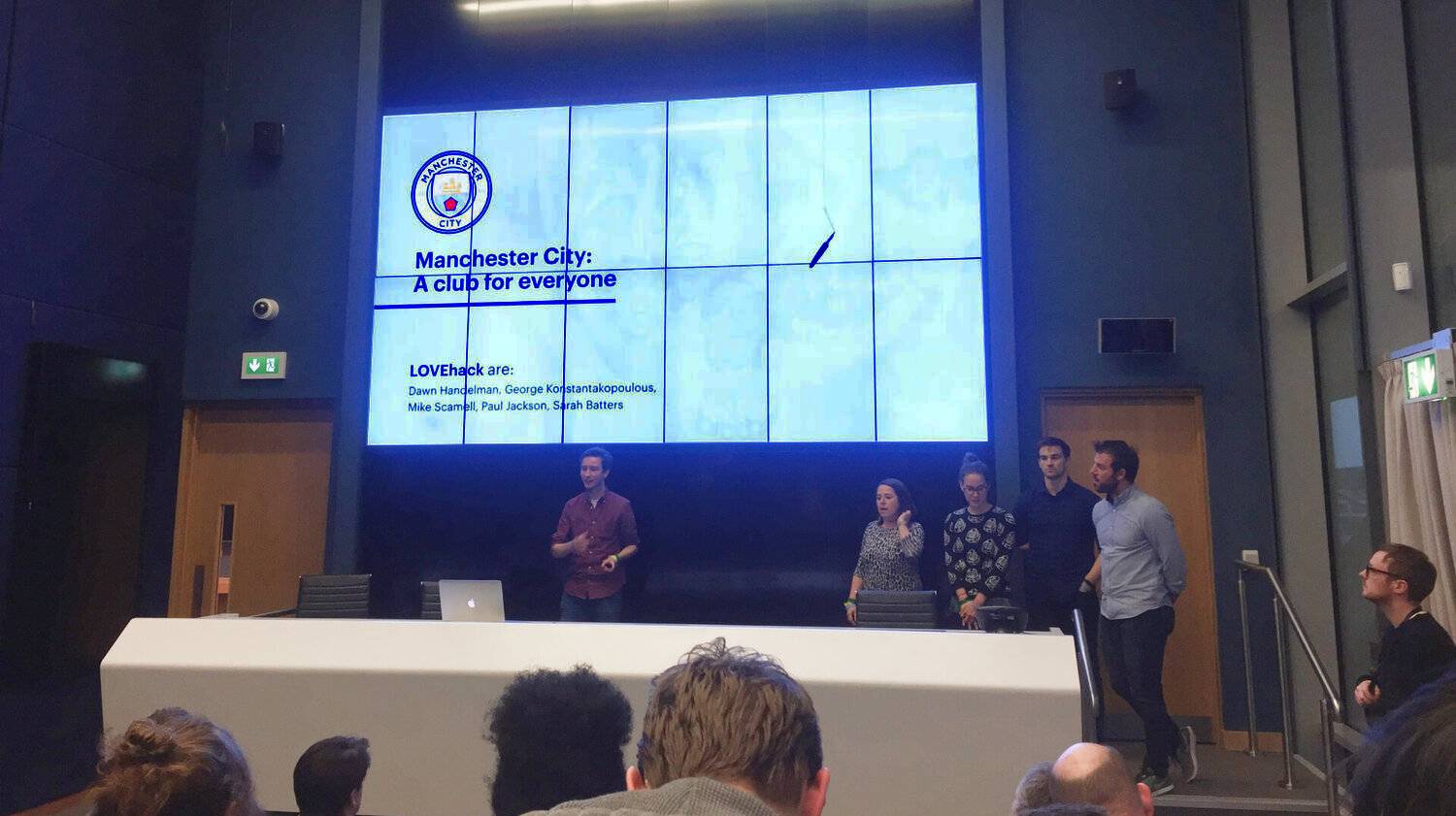
I opened with our key insight, framed to be as attention grabbing as possible: Manchester City’s registered fan club members wouldn’t even fill the Etihad Stadium.
The statistic immediately landed with the audience.
From there, I walked the judges through the wider problem of disconnected global fandom, supporting the story with direct quotes from George’s community research.
Then came the reveal.
The whole team stood together, and raised our arms to reveal matching blue wristbands (a cheap prop from the club shop) as we introduced the CityzenBand concept.
It was simple, but incredibly effective.
We followed this with a short video prototype showing wristbands around the world lighting up in unison as Kevin De Bruyne scored for Manchester City.
In just a few seconds, the concept became tangible and emotional.
I then demonstrated the Android prototype, explained how the experience addressed the brief, and showcased Dawn’s touchpoint map to highlight the scale and ambition of the ecosystem we’d envisioned.
Finally, I returned to the original insight.
With CityzenBand, City fans would be connected to enough Cityzens to fill the Etihad Stadium hundreds of times over.
The slide deck
You can click through the slide deck I presented below:
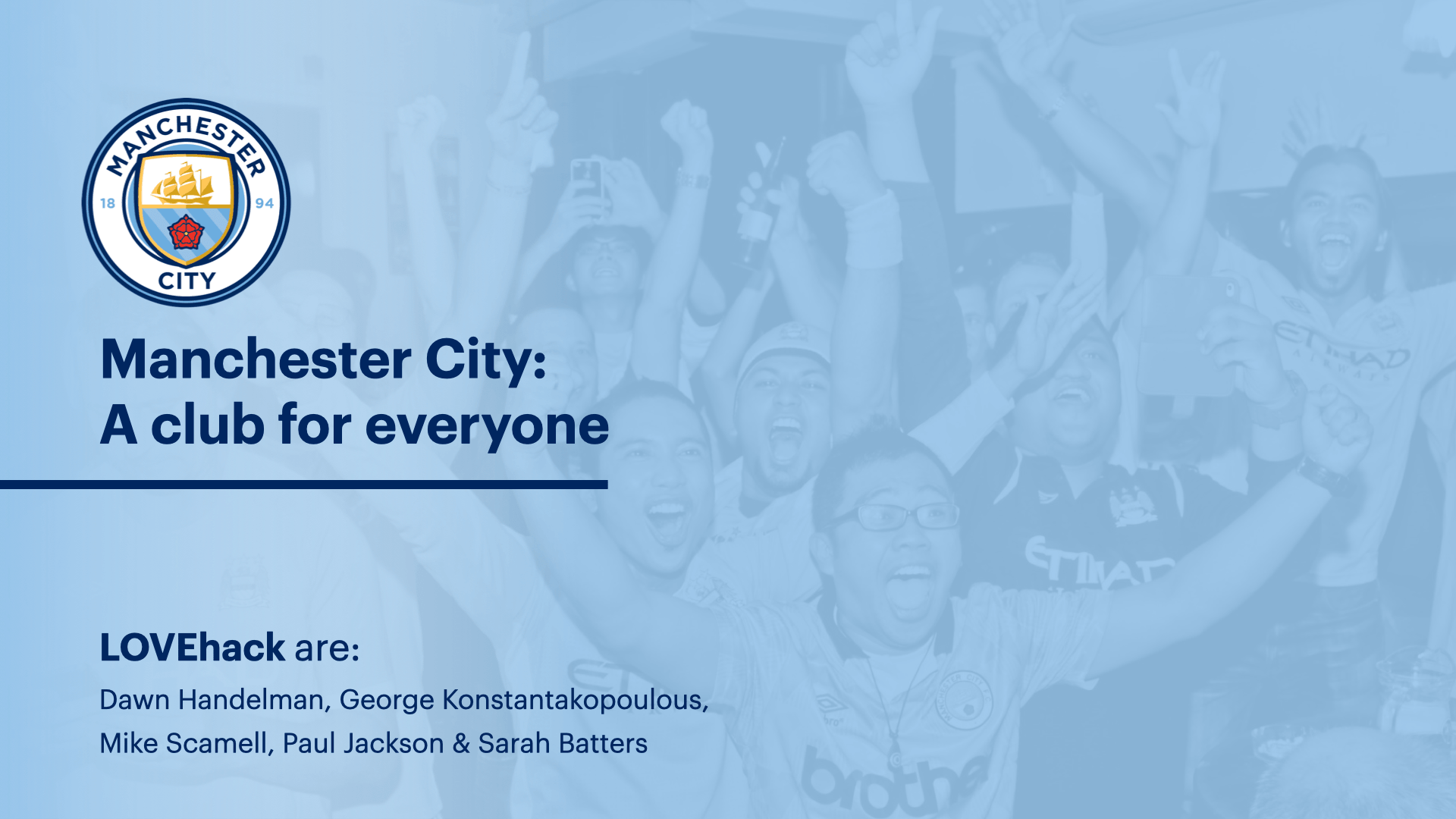
The design and structure of the deck was inspired by principles from the excellent Help with High Impact Presentations ↗ by David Lancaster and Julian Janes. Since first being introduced to the book at the BBC in 2016, it’s become an invaluable resource that I’ve recommended and shared with many others.
Many of the techniques used throughout this presentation came directly from the book’s emphasis on building talks around a clear narrative structure. Rather than overwhelming the audience with detail, the deck was designed around a strong opening “grabber”, a small number of memorable vital points, and a concise closing thought intended to leave a lasting impression.
Outcome
An hour later, our team was announced as the winner of the 2017 Manchester City Hackathon.
We took home the £5,000 grand prize.

But more importantly, the experience reinforced a lesson that has stayed with me throughout my career:
Strong ideas matter, but alignment, clarity, and storytelling are often what turn good concepts into winning ones.
The success of CityzenBand wasn’t just the result of creativity. It came from reflecting on failure, learning from it, and designing a better way of working the second time around.